
新闻

How Semiconductor Chips Fuel the Evolution of TOF Technology
In the rapidly advancing tech landscape, semiconductor chips have become pivotal in enabling breakthrough innovations across various industries, from smartphones and robotics to autonomous vehicles and smart cities. TOF (Time of Flight) technology, which provides precise 3D depth perception, is a prime example of how semiconductor advancements drive modern technologies. Used extensively in facial recognition, LiDAR, drones, and smart security, TOF technology relies on semiconductor chips to enhance depth accuracy, speed,...
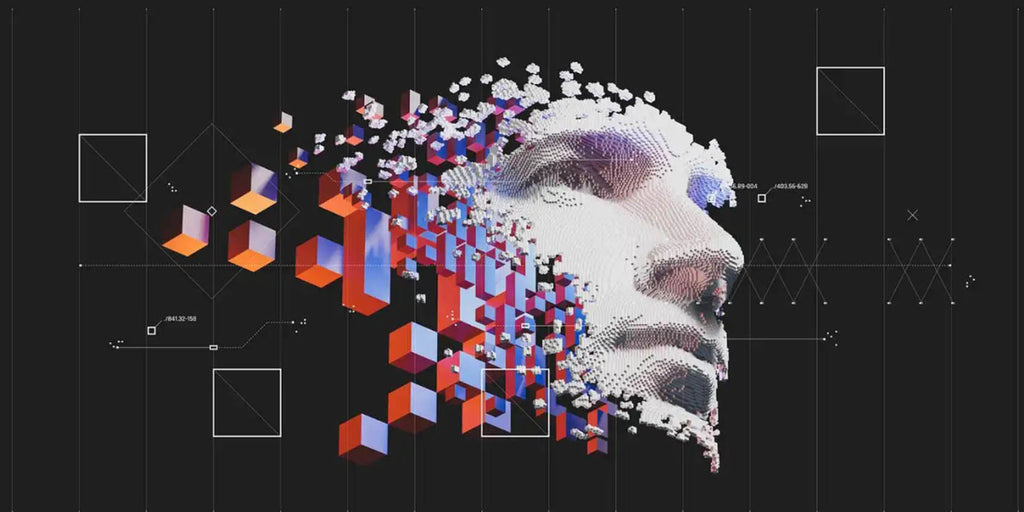
AI-Driven 3D Vision:Transforming Robotics, Smart Transport & Automatio
AI-driven technologies like 3D vision, depth perception, and computer vision are revolutionizing industries such as robotic navigation, smart transportation, and industrial automation. The integration of AI has fueled advancements in Time-of-Flight (TOF) technology, deep learning, and point cloud processing, enabling intelligent sensing devices to perform efficiently even in complex environments. With the aid of AI computing platforms, depth data processing efficiency is significantly improved, providing high-precision solutions for various industrial...

TOF Technology Empowering Safer, More Efficient Autonomous Driving
With the rapid development of artificial intelligence (AI) and autonomous driving, TOF (Time-of-Flight) sensors have become a crucial technology in smart vehicles. By emitting light pulses and calculating the reflection time, TOF sensors provide high-precision 3D depth perception, making them widely applicable in autonomous driving, smart parking, and nighttime driving safety. What is a TOF Time-of-Flight Sensor? TOF technology operates based on measuring the flight time of light pulses: Light...
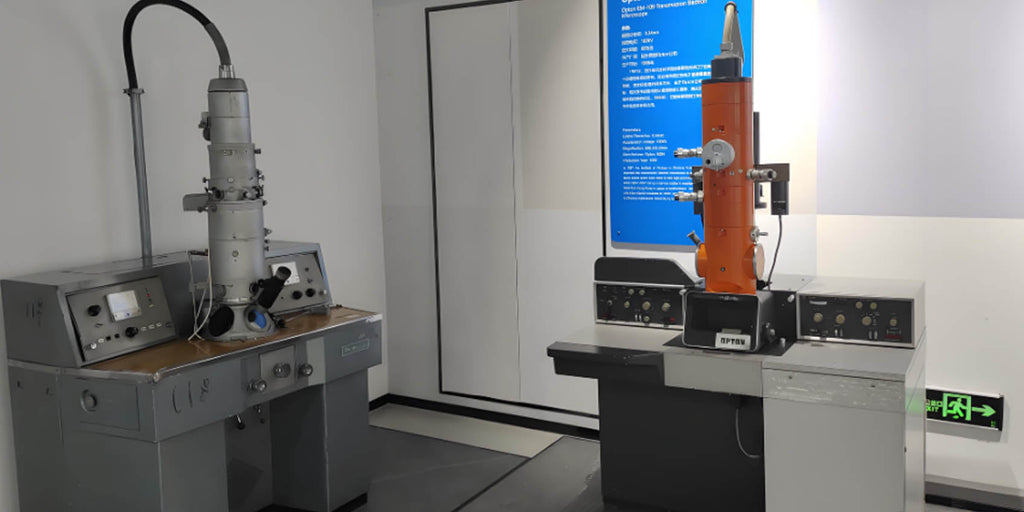
Enhancing Electron Microscopy with TOF Technology for Better Analysis
The Role of TOF Technology in Electron Microscopes: Revolutionizing Microscopic Analysis Electron microscopes are critical tools in scientific research, enabling the observation of structures at the atomic and molecular levels. By utilizing electron beams rather than light, these microscopes provide ultra-high resolution, enabling researchers to explore intricate details of biological and material samples. However, even with their advanced capabilities, electron microscopes have limitations in terms of depth perception and the...




Please upload banner from store admin blog pages